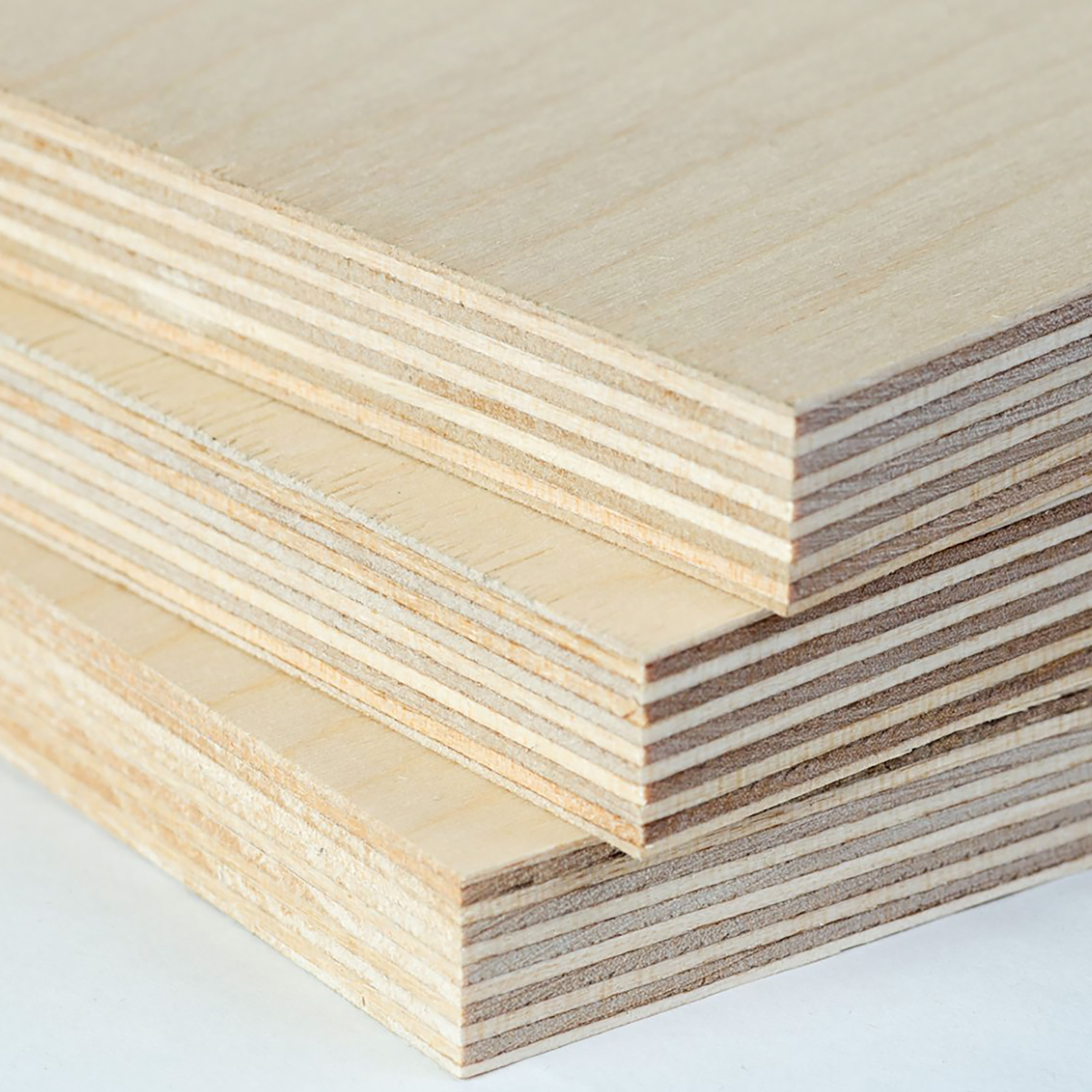
How Morland turns a panel specification into repeatable manufacture

A repeatable laminated panel starts with a clearly defined application, an agreed build-up, an approved reference and a controlled route for managing change. As a UK panel manufacturer, Morland works through these decisions with the customer before repeat production begins.
The finished panel is the visible result. What customers rely on is the material understanding, specification control and repeatable manufacturing approach behind it.
Where does a good panel specification start?
The starting point is the application. We work with the customer to establish where and how the panel will be used, the finish required and the demands the finished component is expected to meet.
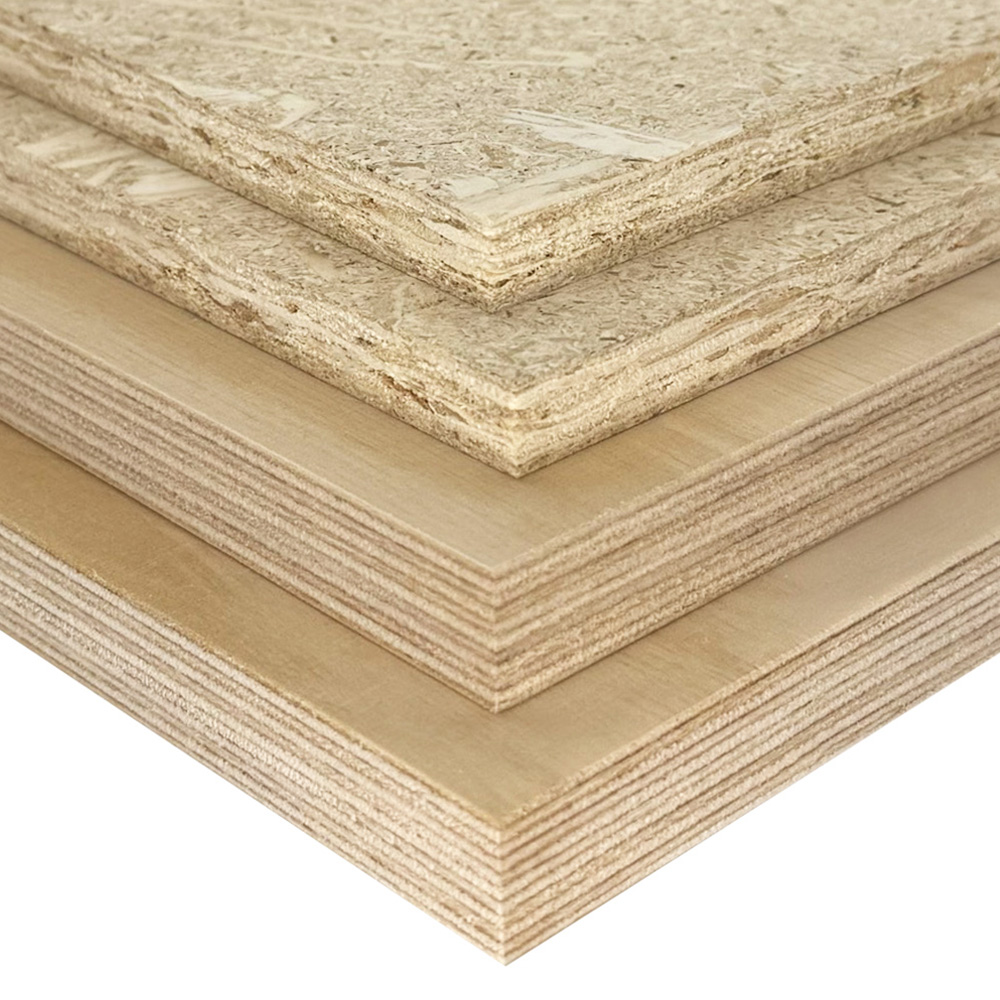
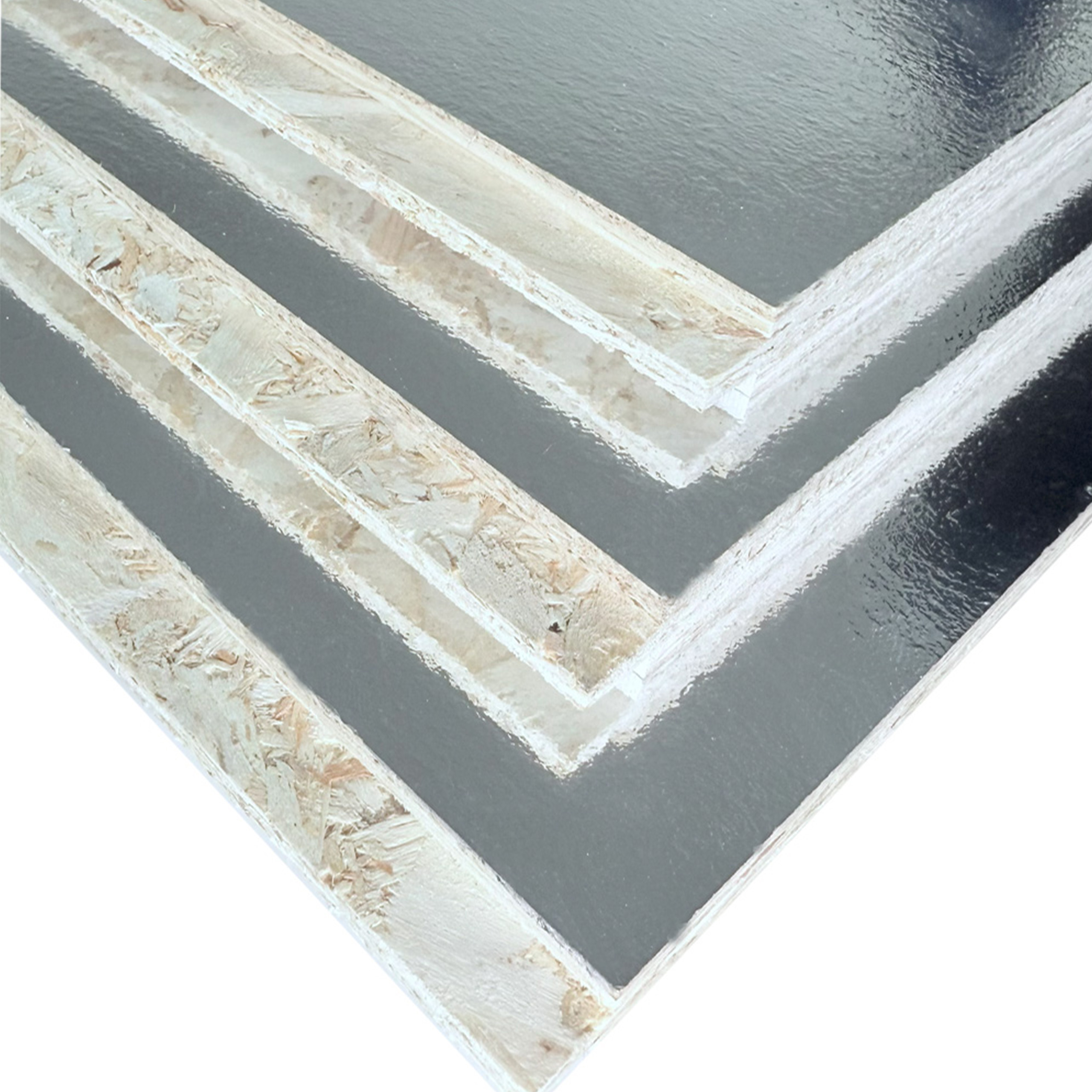
A weight-conscious motorhome interior panel, a factory-finished wall-lining component for a modular building and a decorative finish used on a fire-door leaf or doorset all bring different priorities. Once the intended use is clear, our team can consider the substrate or core, decorative surface, adhesive or backing, complete build-up, dimensions, edge detail, likely volumes and the evidence needed to assess the requirement.
That early discussion helps avoid a familiar specification trap: choosing a material for one attractive property without considering the complete build-up or the customer’s production needs. Weight, wear, cleaning, moisture and fire-performance claims must each be supported for the exact component or construction to which they apply.
For construction applications, the product must also be considered within its wider context. A factory-finished board is one component within a wall or partition assembly, while a decorative finish on a fire door must remain within the relevant tested or certified scope. Neither should be treated as evidence for the complete installation without the supporting information.
Why is an approved sample not enough?
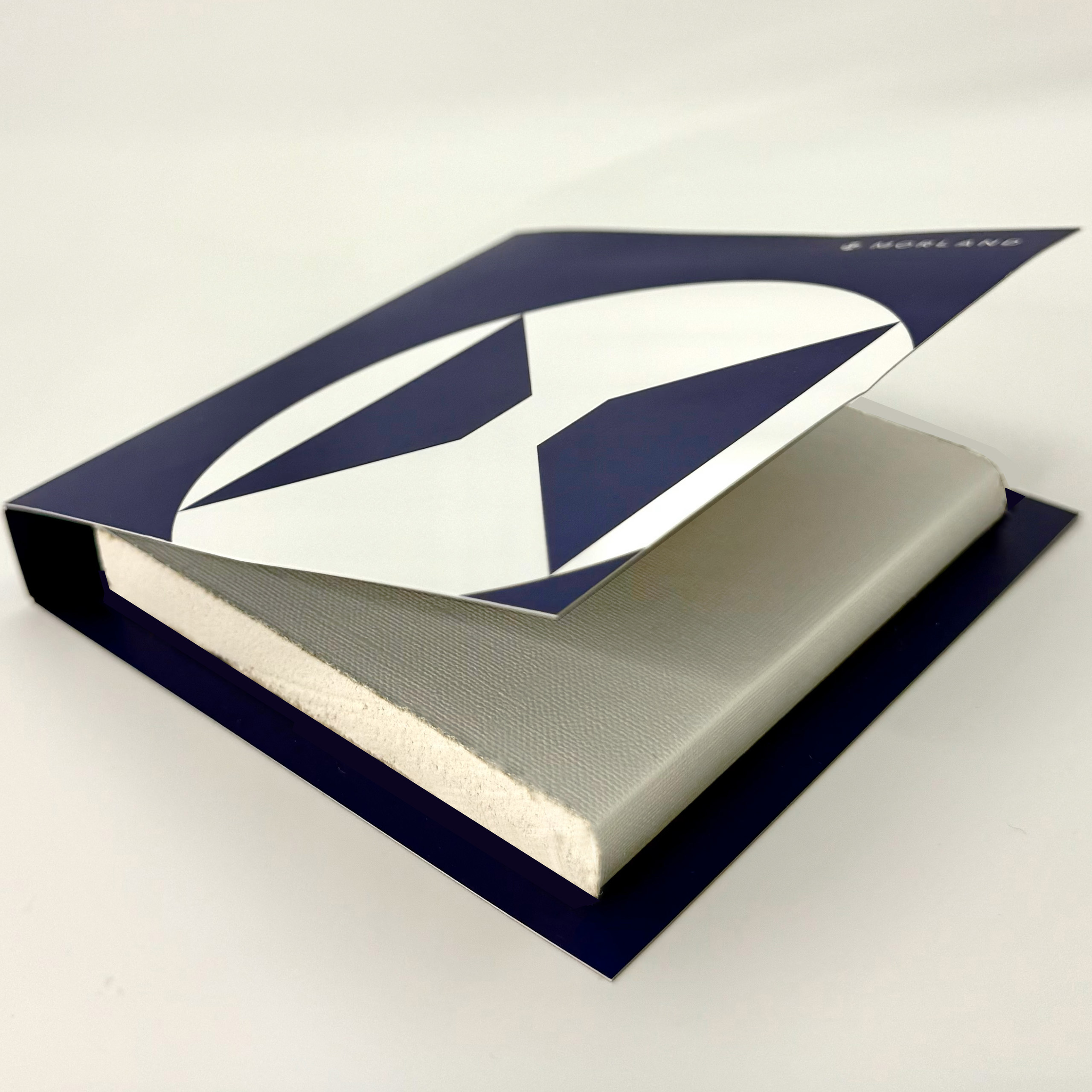
An approved sample gives both teams something tangible to assess. It can confirm the intended appearance and feel, but it does not create a repeatable production specification on its own.
Repeat manufacture may also require an agreed substrate, thickness, surface reference, texture, gloss level, grain direction, orientation, complete build-up, dimensions, tolerances, edge treatment and acceptance criteria. Where relevant, batch references and a defined change-approval route give everyone a common point of reference.
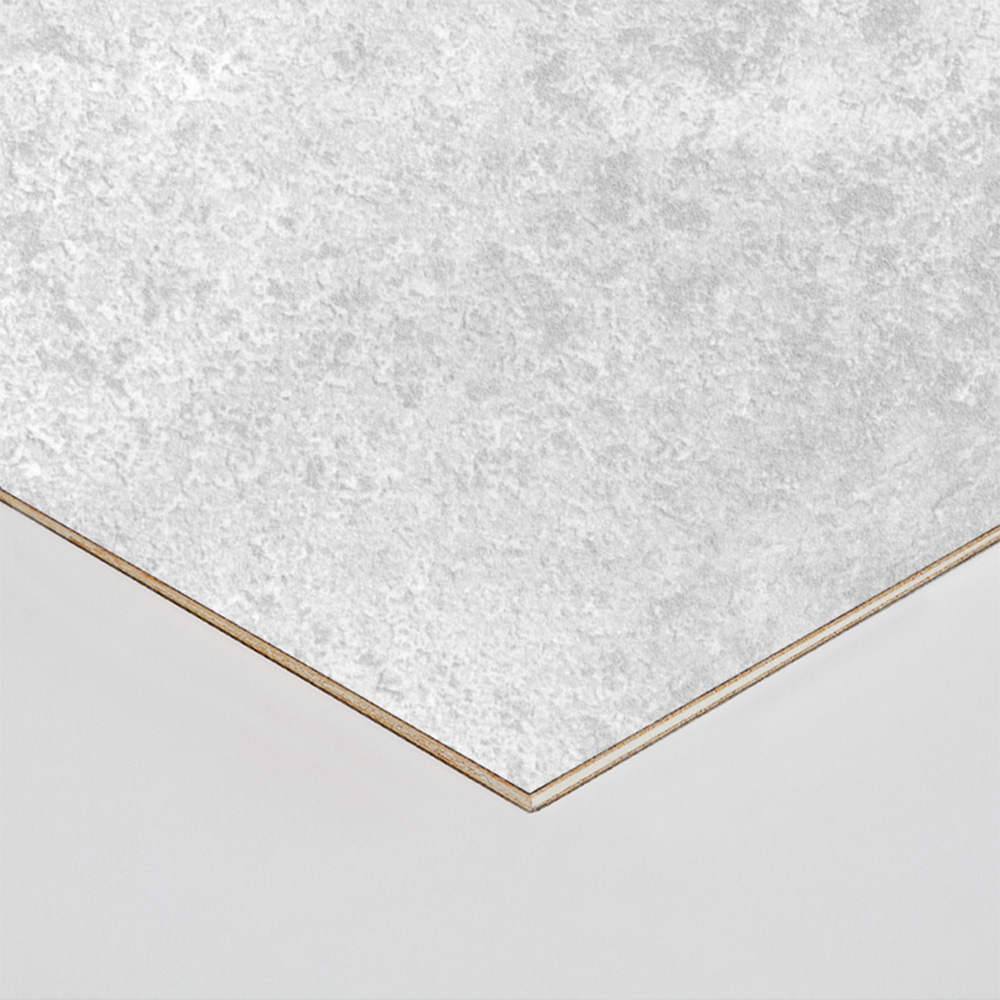
Modern printed decorative surfaces can support a controlled, repeatable appearance, but they should not be described as a guarantee of perfect colour consistency. Batch, texture, gloss, substrate influence, lighting, viewing angle and ageing can all affect how a finish is perceived. That is why the approved reference and agreed acceptance criteria matter.
Where related products are intended to work together, such as a laminated panel and wrapped profile, they should be assessed as coordinated components rather than assumed to be identical because they share a décor name.
How does process control support repeatable manufacture?
A prototype shows that a product can be made at a particular point in its development. Repeatability depends on a controlled specification, approved material references, defined checks and production records.
Manufacturing equipment supports efficient, repeatable production, but machinery is only part of the system. The people making and checking the product also need a clear record of what was agreed and a way to recognise and escalate a change.
For programmes that include related interior components, Morland can discuss panel laminating and profile wrapping together, as well as lightweight doors for suitable non-fire-rated leisure applications. Each product still retains its own specification, approved sample and evidence boundary. Coordination is managed; it is not assumed.
What does technical data prove for a finished panel?
Technical data is useful only when it is clear what has been tested, classified or declared.
A substrate data sheet describes the substrate within its stated conditions. A decorative-surface document describes that surface within its own scope. Neither automatically proves the properties of the laminated panel, the wall or partition in which a finished board is installed, or the complete doorset of which a decorated leaf may form part.
Morland separates the evidence layers so their boundaries remain clear:
- substrate or core;
- decorative surface;
- adhesive, membrane or backing;
- finished Morland panel or component;
- wider wall, partition, door or doorset assembly.
This allows the customer and project team to see what the available information supports, what remains application-specific and where further technical review or project evidence may be required.
What happens when a material or finish changes?
A visually similar material is not automatically a like-for-like substitute. When a different substrate, surface or finish is proposed, it should be treated as a specification change.
The review needs to consider appearance, availability, manufacturing suitability, the approved sample and any affected technical evidence. This is particularly important for construction products and fire doors, where a visually similar finish may sit outside the relevant tested, classified or certified scope.
A clear change-control route allows the relevant commercial, purchasing, production and technical colleagues to assess the proposal before it enters production. It preserves traceability and helps Morland and the customer continue working from the same approved information.
What should customers expect after the first order?
The first order is the beginning of a controlled manufacturing relationship, not the end of the specification process. Volumes, finishes, materials and applications can change over time.
When they do, the agreed specification provides the reference point. The proposed change can then be reviewed against available materials, manufacturing requirements, approved samples and relevant evidence before a decision is made.
Keeping that record current makes repeat orders easier to assess and gives both teams a reliable basis for future decisions.
Customers see the finished panel. What they rely on is the material understanding, specification control and repeatable manufacture behind it.
Developing a laminated panel, wrapped profile or related interior component? Start with the application. Morland can help clarify the build-up, finish, evidence and production information needed to assess the requirement.
Frequently asked questions
What should a laminated-panel specification include?
It should identify the intended application, substrate or core, thickness, decorative surface, adhesive or backing where relevant, complete build-up, dimensions, edge detail, orientation, approved reference, tolerances, acceptance criteria and any applicable inspection, packaging or evidence requirements.
Does substrate data apply to the finished laminated panel?
Not automatically. Substrate data, decorative-surface data and evidence for the finished panel or wider assembly must be kept separate and used only within their stated scope.
Is approving a decorative sample enough for repeat production?
No. Repeat production normally also requires a controlled specification, an approved reference, orientation and texture details, acceptance criteria, batch records where relevant and a defined process for approving changes.
Does a visually similar finish count as a like-for-like replacement?
Not automatically. Its construction, appearance, manufacturing suitability and effect on the relevant technical evidence must be reviewed before it is approved as a substitute.