Understanding Vapour Barrier Panels: Where and Why Are They Used?
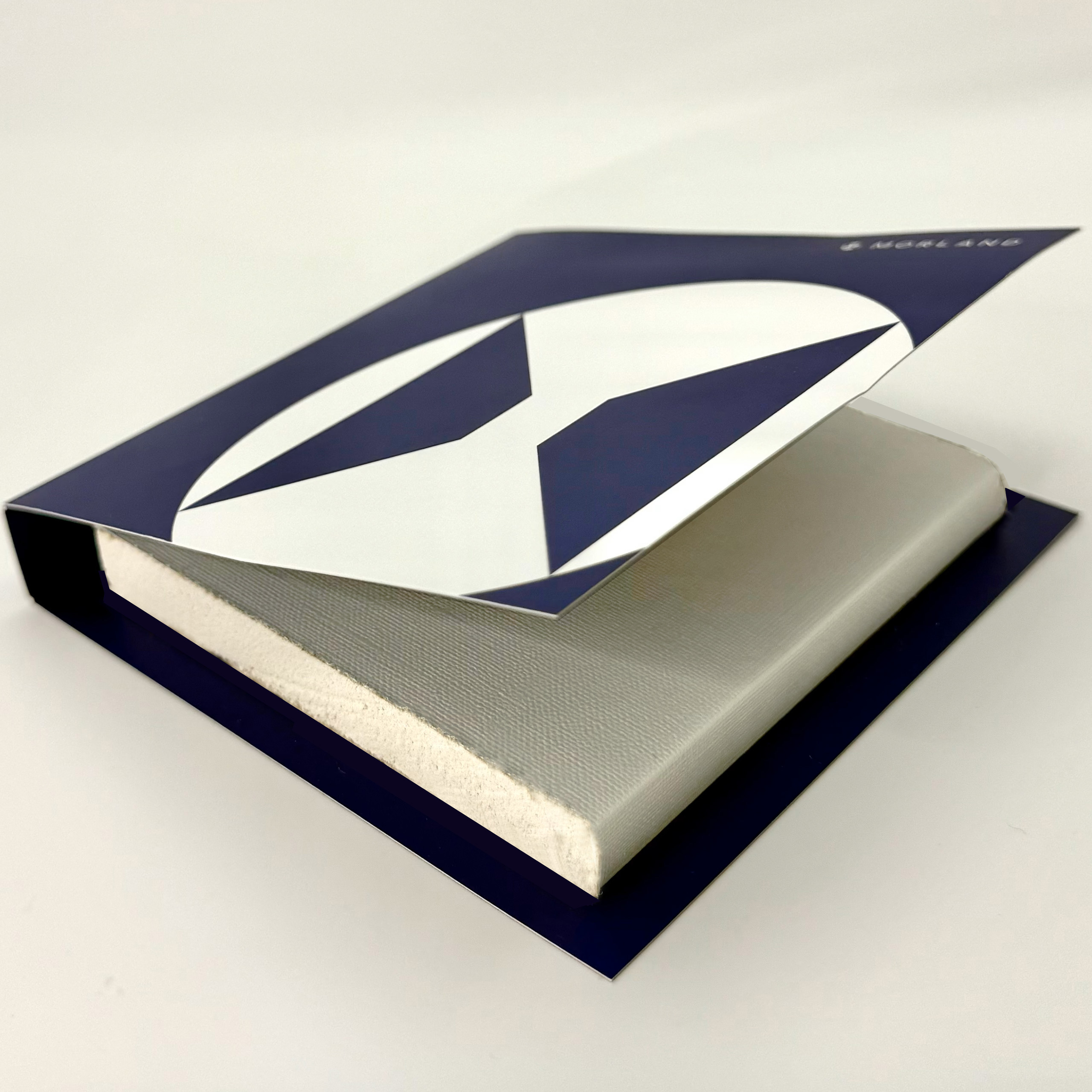
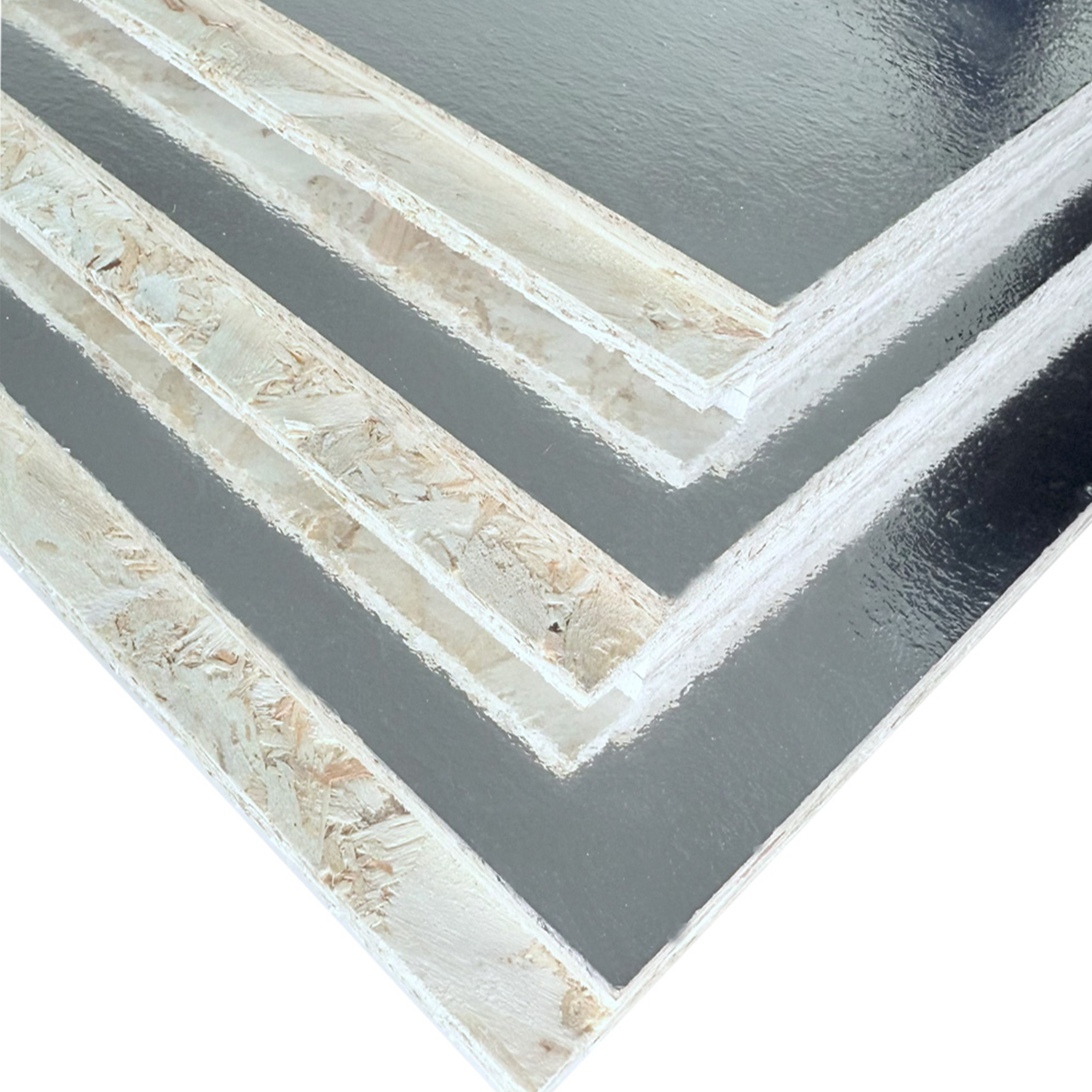
Morland has developed an integrated vapour barrier panel designed to help residential park home manufacturers manage water vapour within the external envelope of their homes.
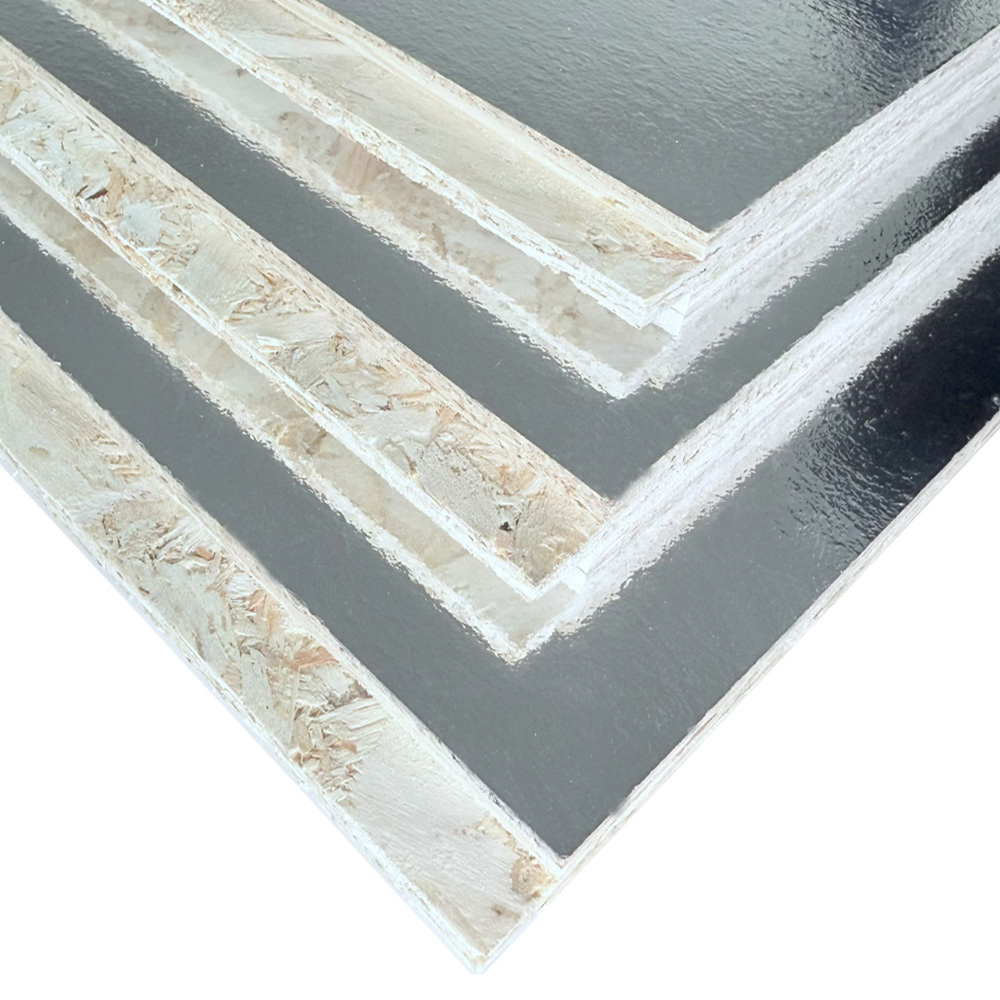
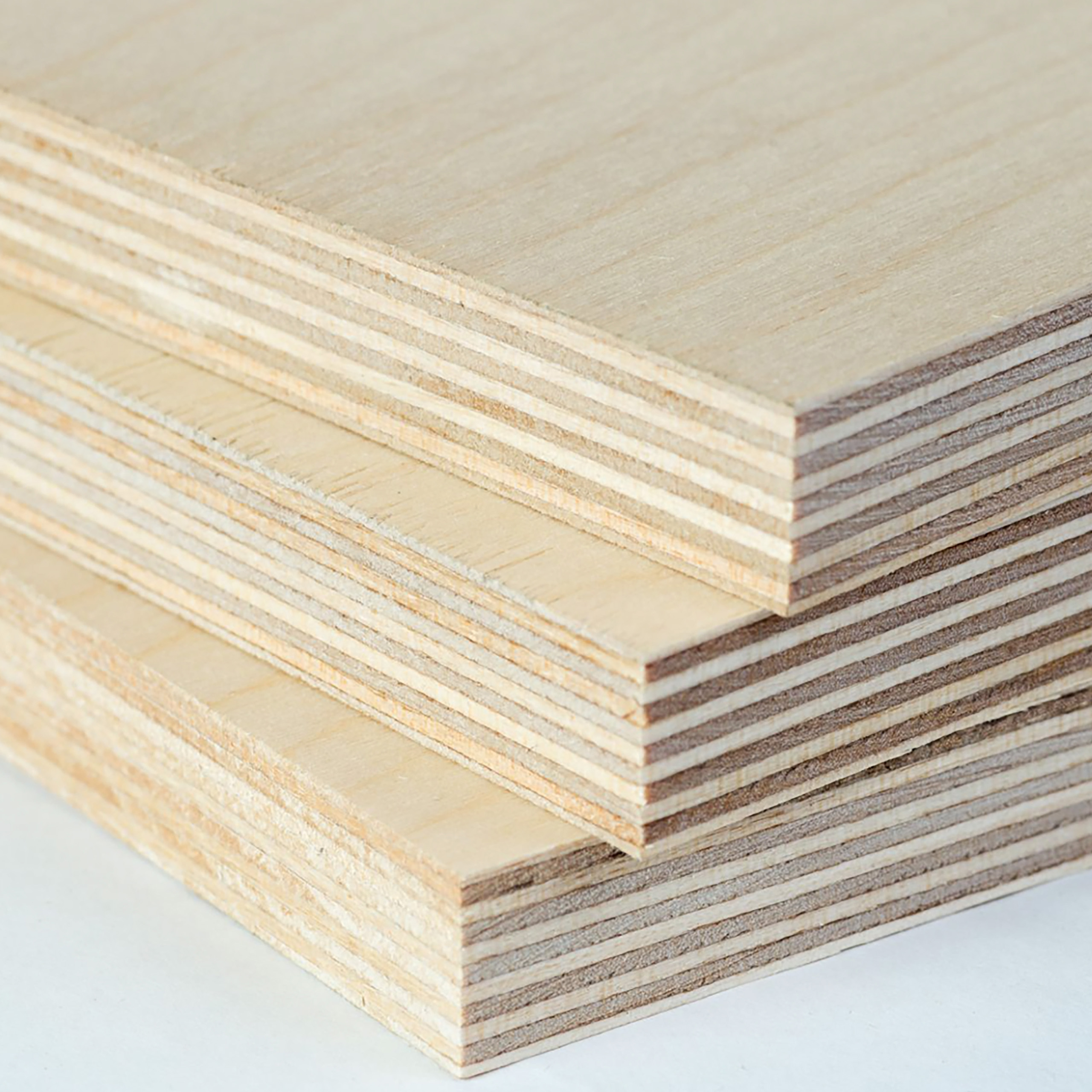
The solution combines a wood-based panel with a fully encapsulated foil vapour membrane, which is incorporated into the panel before the decorative finish is applied.
The product was developed in response to the requirements around moisture management and vapour resistance within residential park home construction, providing customers with a manufactured panel solution that incorporates the vapour control layer as part of the finished product.
Developed with the needs of park home manufacturers in mind
Water vapour generated inside a residential park home can migrate towards the external envelope. Where conditions allow condensation to occur, this can create moisture within the structure.
Morland’s vapour barrier panel is designed to help mitigate this risk by incorporating a vapour-impermeable air and vapour control layer (AVCL) within the panel construction.
The product has been developed to provide a vapour resistance of at least 50 MNs/g, supporting the requirements of BS 3632:2023.
Rather than requiring a separate membrane to be installed during construction, the foil membrane is encapsulated between the wood-based panel and decorative finish. This allows normal fixing methods to be used while retaining the vapour control function within the finished panel.
Independently tested
As part of the product development process, Morland worked with a independent testing laboratory to assess the water vapour transmission characteristics of the panel.
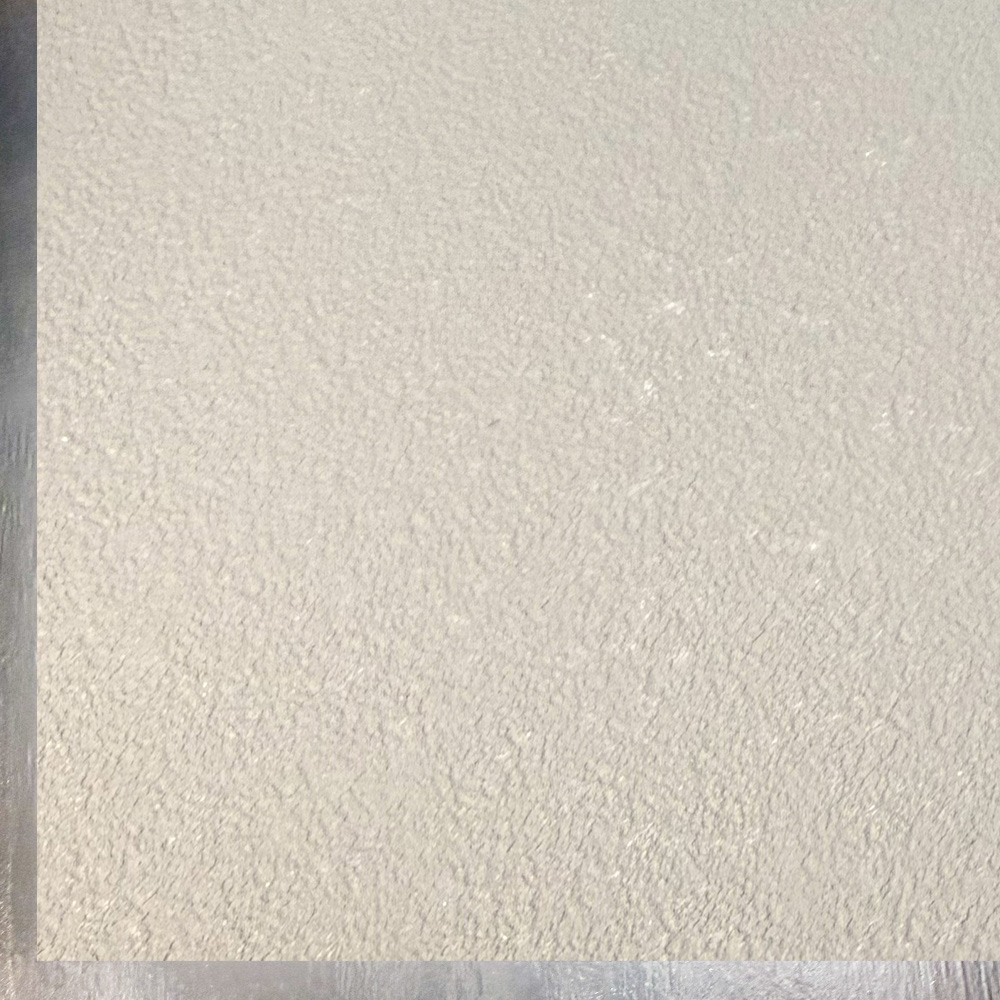
Testing was carried out using the ISO 15106-3 method. The tested construction comprised a 2.7mm FE plywood substrate, a 12µ metallised PE foil vapour barrier and a Boucle Yellow decorative finish. The test recorded a vapour resistance of 197 MNs/g.
The independent testing formed an important part of the technical validation of the product ahead of its introduction to customers.
A solution for walls and ceilings
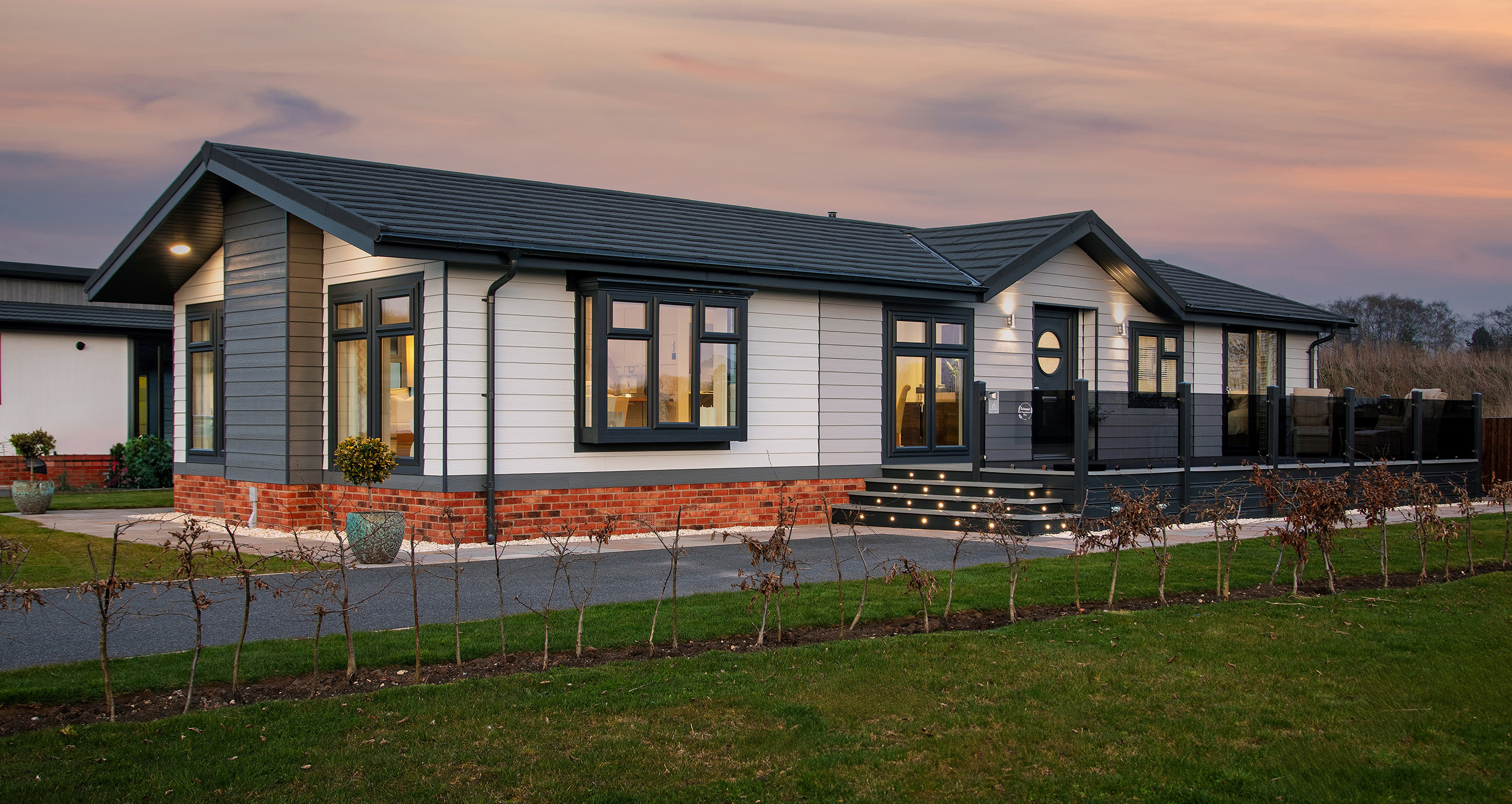
The vapour barrier panel is currently being used in walls and ceilings within residential park homes, with around half a dozen customers currently using the product.
For some manufacturers, changes to their existing construction methods have provided an alternative way of achieving the requirements of the relevant regulations. The Morland solution provides another option, incorporating the vapour control layer directly into the manufactured panel.
Bringing more into the manufacturing process
The development also reflects Morland’s approach to adding value through manufacturing.
By combining the wood-based panel, vapour membrane and decorative finish within a controlled manufacturing process, Morland can supply a finished panel incorporating the required vapour-resistant layer, rather than customers having to coordinate and install separate components.
This approach can help simplify the construction process while providing a consistent, ready-to-use panel for the finished home.
Continuing to develop for the residential park home sector
Morland has supplied materials to the residential park home sector for many years, working with manufacturers to develop panel and decorative solutions that meet the changing requirements of modern homes.
The integrated vapour barrier panel is another example of this collaborative approach, taking a specific technical requirement and incorporating it into a practical manufactured product.
As construction requirements continue to evolve, Morland will continue to work closely with customers to develop solutions that combine technical performance, manufacturing consistency and the decorative finishes expected in modern residential park homes.